Living with pets means extra cleaning. You’ll have hair on the couch, dirt by the door, crumbs around the food bowls, and the occasional floor accident. That’s part of having a pet.
The good news is that you don’t need to spend all day cleaning to keep your home in good shape. A regular routine can handle most mess before it becomes a bigger job. The key is knowing which areas need attention most often and which can wait.
Why Is It Hard to Keep a House Clean With Pets?
Pets create mess in ways that people don’t always notice right away. A dog can track dirt through several rooms after coming inside. A cat can leave litter around the box. Pet hair can settle into furniture, rugs, and corners before you even see it.
Some areas also belong to your pet. Their bed, blankets, toys, food bowls, and litter box all need cleaning along with the rest of the house.
How much cleaning you need depends on your pet and your home. One indoor cat may create very little mess, while several dogs that spend time outside can make the floors and furniture much harder to keep clean.
Pet Hair Gets Everywhere
Pet hair rarely stays in one place. It can collect on furniture, rugs, bedding, clothing, and floors. Some hair is easy to spot, while finer hair can settle into fabric and carpet where you don’t notice it until it builds up.
Regular brushing can help remove loose hair before it spreads around the house. How much you need to brush depends on your pet’s coat type and how much it sheds.
Vacuuming also becomes easier when you don’t let the hair build up for too long. Pay attention to the places your pet spends the most time, then check less obvious spots such as under the couch, beneath the bed, and along baseboards.
Pets Track Dirt Into the House
Outdoor dirt usually enters through the same few places. Your pet walks through grass, soil, sidewalks, or wet areas and brings some of it inside on their paws and fur.
The area around your main entrance will usually need more cleaning than rooms your pet rarely uses. A good doormat can catch some dirt, but it won’t stop everything from coming inside.
Keeping a towel near the door can make a difference on rainy or muddy days. Wiping your dog’s paws before they walk through the house takes a few seconds and can save you from cleaning muddy footprints later.
Pet Areas Create Their Own Mess
Pets have a lot of things that need cleaning, even when the rest of the house looks tidy. Their beds collect hair and dirt. Food bowls leave crumbs behind. Water bowls can create wet spots on the floor. Toys can also pick up dirt over time.
These areas are easy to overlook because they’re part of the pet’s normal routine. But cleaning them regularly keeps small messes from turning into odors, stains, or buildup.
It also helps to keep pet supplies in specific areas. A basket for toys, a mat under the food bowls, and a designated spot for the bed can keep pet items from taking over the house.
Small Messes Can Turn Into Bigger Jobs
A wet paw print is easy to wipe up. A muddy print that dries on the floor is another story. The same applies to spilled food, water, and pet accidents.
Cleaning a mess when you first notice it usually takes less time than removing it later. That said, you don’t need to stop what you’re doing every time your pet makes a mess. Some things can wait for a few minutes. The bigger issue is letting small problems sit for days.
A quick cleanup now can save you from a much longer cleaning job later.
How to Keep Your House Clean With Pets
The easiest way to keep a clean house with pets is to focus on the areas that get dirty the fastest. You don’t need to treat every room the same way.
The kitchen, entryway, floors, furniture, and pet areas will usually need more attention than a guest room or another space your pet rarely uses. Cleaning those high-use areas regularly keeps the rest of the house easier to manage.
Clean Up Pet Messes Right Away
Fresh spills and messes are usually easier to clean than dried ones. If your dog walks across the floor with muddy paws, wipe the marks before they dry. If food gets knocked onto the floor, pick it up instead of leaving it until the next cleaning day.
Pet accidents deserve quick attention, especially on carpet and upholstery. Blot the area instead of rubbing, then use a cleaning product safe for the material.
Keep a few basic supplies somewhere easy to reach. When you have to search through a closet for a cloth or cleaner, it’s much easier to decide the mess can wait.
Vacuum Where Your Pet Spends Time
You don’t necessarily need to vacuum the entire house every day. Start with the rooms and areas your pet uses most.
A dog that sleeps on the couch will leave more hair there than in a room it never enters. A cat that spends most of its time in the bedroom will leave more hair around the bed and nearby furniture.
Vacuum those areas first. Then work through the rest of the house based on how much hair and dirt you see.
Keep Pet Bedding and Blankets Clean
Pet beds can look clean while still holding a lot of hair, dirt, and odors. Blankets are no different, especially when your pet uses them every day.
Wash removable covers and blankets according to their care instructions. If the bed itself can’t go in the washing machine, vacuum it and clean it according to the manufacturer’s instructions.
Washing pet bedding regularly also helps keep odors from spreading to the rest of the room.
Keep Food and Water Areas Clean
Food and water can create more mess than you might expect. Kibble gets scattered around bowls, wet food can stick to the floor, and water can leave a damp area underneath or around the bowl.
Wash the bowls regularly and wipe the floor around them. A washable mat under the bowls can help catch some of the mess.
If your pet tends to push its bowl around while eating, check the surrounding area as well. Food can travel farther than you might notice during a quick cleanup.
How to Control Pet Hair Around Your House
Pet hair is easier to manage when you remove it regularly. Waiting until there’s a visible layer on the furniture or floor usually means you’ll spend more time cleaning it.
The right routine depends on how much your pet sheds. Some pets may only need light maintenance, while others can leave hair throughout the house every day.
Brush Your Pet Regularly
Brushing removes loose hair before your pet leaves it around the house. It can be especially helpful during periods when your pet is shedding more than usual.
The type of brush and how often you use it will depend on your pet’s coat. If possible, brush your pet outside or in an area that’s easy to clean. That keeps loose hair from ending up on your floors and furniture.
Vacuum Before Hair Builds Up
Once pet hair gets deep into carpet or fabric, removing it takes more work. Regular vacuuming keeps it closer to the surface.
Start with your pet’s favorite spots. If your dog always sleeps in one corner of the living room, that area may need more frequent vacuuming than the rest of the room.
Edges and corners deserve attention too. Hair often collects along baseboards and underneath furniture where a quick vacuum doesn’t always reach.
Remove Hair From Furniture
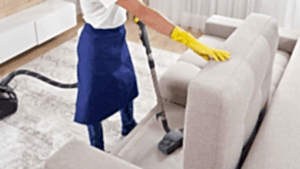
Furniture can hold a surprising amount of pet hair. Vacuum the cushions, seams, and areas underneath removable cushions.
For smaller amounts of hair, a lint roller can be useful. Washable furniture covers can also help protect areas your pet uses often.
Removing hair before it presses deep into the fabric is easier. Regular cleaning also makes it easier to notice stains or spills that might otherwise be hidden.
Don’t Forget Hard-to-Reach Areas
Pet hair doesn’t only collect in places you can see. It can build up under beds, behind couches, between cushions, and along baseboards.
These areas don’t need daily cleaning, but you shouldn’t ignore them completely. Add them to your regular cleaning routine so they don’t become forgotten pockets of dust and hair.
How to Keep Pet Odors Under Control
Pet odors usually come from a specific source. Bedding, carpets, litter boxes, food areas, and accidents can all hold smells over time.
Opening a window or using an air freshener may make the room smell better for a while, but it doesn’t remove the source of the odor. Cleaning the source is what makes the difference.
Wash Pet Bedding Regularly
Beds and blankets absorb odors because your pet spends so much time on them. Washing them regularly keeps those smells from becoming part of the room.
Follow the care instructions for each item. Some beds have removable covers that can go in the washing machine, while others need to be cleaned by hand.
If the bedding still smells after cleaning, check whether the filling or inner material also needs attention.
Clean Around Food and Water Bowls
Old food and damp areas around water bowls can start to smell if they’re left alone.
Wash the bowls and regularly clean the surface underneath them. If water gets on nearby walls or cabinets, wipe those areas down too.
Keeping the feeding area clean is a small task, but it prevents one part of your kitchen from becoming a source of odors.
Keep Litter Areas Clean
Cat litter can create both odors and loose debris around the house. Scoop the box regularly and clean the floor around it when litter gets tracked outside.
The litter box itself also needs a deeper cleaning from time to time. Follow the manufacturer’s recommendations for the box and the type of litter you’re using.
Keeping the surrounding area clean matters just as much as cleaning the box. Litter tracked across the floor can quickly spread into nearby rooms.
Clean Accidents as Soon as Possible
Pet accidents can leave behind both stains and odors. The longer they sit, the harder they can be to remove.
Blot liquid rather than rubbing it into carpet or upholstery. Use a product that’s suitable for the surface and follow its directions.
If an odor keeps coming back after cleaning, the mess may have reached deeper into carpet padding or upholstery. In that case, you may need a deeper clean.
How to Clean Floors When You Have Pets
Floors are usually one of the busiest parts of a pet-friendly home. They collect hair, dirt, food, litter, and whatever your pet brings in from outside.
The type of flooring you have will determine how you clean it, but the basic idea is the same: remove loose dirt first and then clean the surface properly.
Carpeted Floors
Carpet can hold pet hair, dirt, and odors deep between the fibers. Vacuuming regularly helps prevent that buildup.
Spend more time on areas where your pet sleeps or plays. Move smaller pieces of furniture when you can so hair doesn’t collect underneath them.
Handle spills and accidents quickly. If stains keep returning or the carpet has developed a strong odor, regular vacuuming may not be enough.
Hardwood and Other Hard Floors
Remove hair and loose dirt before mopping. Otherwise, you’re just moving the dirt around.
Use a cleaning method that’s suitable for your flooring. Some types of wood and other hard surfaces can be damaged by too much moisture, so avoid soaking the floor.
Areas around doors, pet beds, and food bowls often need more frequent cleaning than the rest of the room.
Entryways and High-Traffic Areas
Your entryway gets hit with most of the dirt that comes in from outside. It also gets more foot traffic than many other areas of the house.
Sweep or vacuum it regularly and clean muddy paw prints as soon as you see them. A good mat can help reduce the amount of dirt that gets farther into the house.
If your pet goes in and out several times a day, this may be one of the first areas to add to your regular cleaning routine.
How to Clean Furniture With Pets
Furniture takes a lot of abuse in homes where pets are allowed on the couch or bed. Hair, dirt, drool, and occasional accidents can all build up in the fabric over time.
Regular maintenance keeps these problems from becoming much harder to handle.
Remove Pet Hair First
Start by getting loose hair off the furniture. Vacuum the cushions, seams, and areas under the cushions.
If you clean the fabric before removing loose hair, you’ll often push the hair around instead of actually getting rid of it.
Clean Pet Stains Quickly
A fresh stain is usually easier to deal with than one that’s been sitting on the fabric for several days.
Blot liquid instead of rubbing it. Check the furniture’s care label before using a cleaner, since some fabrics require specific products or cleaning methods.
When you’re unsure about a product, test it on a hidden area first.
Wash Removable Covers
Washable covers make life easier when pets spend a lot of time on furniture. Wash them according to the care instructions and let them dry completely before putting them back.
If your furniture doesn’t have removable covers, regular vacuuming can still help remove hair and loose dirt before it settles deeper into the fabric.
Vacuum Under Cushions
The space under couch cushions is an easy place to forget. It can collect hair, crumbs, dirt, and even small toys.
Remove the cushions and vacuum underneath them regularly. While you’re there, check the sides and back of the furniture, too.
What to Clean Every Day With Pets
Daily cleaning with pets should be about maintenance, not a full house cleaning. You are trying to keep small messes from building up.
Some days, that may mean vacuuming the kitchen and cleaning around the food bowls. Other days, you may need to wipe muddy paw prints or clean up an accident.
The important part is dealing with the mess that needs attention, not trying to make every room spotless.
| Daily Task | Why It Matters |
| Vacuum or sweep busy areas | Keeps hair and dirt from spreading |
| Wipe food and water areas | Prevents crumbs, residue, and moisture from building up |
| Clean fresh accidents | Helps prevent stains and odors |
| Scoop litter | Keeps odors and tracked litter under control |
| Wipe muddy paw prints | Stops dirt from drying onto floors |
| Pick up pet toys | Keeps common areas from becoming cluttered |
You don’t have to do every task at the same time. A few minutes here and there can be enough to keep the house under control between larger cleaning days.
What to Clean Every Week
Weekly cleaning handles the dirt and hair that daily maintenance doesn’t catch.
This is when you can spend more time vacuuming the entire house, cleaning floors, washing bedding, and dealing with areas that need more than a quick wipe.
| Weekly Task | Why It Matters |
| Vacuum floors and rugs | Removes hair and dirt that has collected throughout the week |
| Vacuum furniture | Keeps hair from building up on couches and chairs |
| Wash pet bedding | Removes hair, dirt, and odors |
| Mop hard floors | Removes residue left behind by paws and daily traffic |
| Clean feeding areas | Prevents food and water buildup |
| Clean pet toys | Removes dirt from items used regularly |
| Clean around litter areas | Keeps loose litter and odors under control |
A weekly routine also gives you a chance to notice problems before they become harder to clean. You may find a stain under the couch or a buildup around a pet’s feeding area that wasn’t obvious during your daily cleanup.
How to Deep Clean a House With Pets
A deep clean goes beyond the areas you normally handle during the week. It’s about getting to the dirt, hair, dust, and buildup that regular cleaning doesn’t always reach.
Start with the areas where your pets spend the most time. Vacuum furniture, rugs, carpets, floors, corners, and underneath furniture. Once you remove loose hair and dirt, clean the surfaces more thoroughly.
This is also a good time to clean baseboards, doors, window sills, ceiling fans, and other areas that collect dust but don’t need attention every week.
Wash pet bedding and clean washable covers. If carpets or upholstered furniture have accumulated stains, hair, or odors, they may need more than a normal vacuuming.
Still clean the kitchen and bathrooms as part of the deep clean. Pay attention to the areas around pet bowls, litter boxes, and other pet supplies.
If you’re deep-cleaning the house with pets after months of regular maintenance, don’t expect to finish everything in a short afternoon. Breaking the work into sections or hiring a professional service can make the job more manageable.
What Cleaning Supplies Help With Pet Messes?
You don’t need dozens of specialty products to clean a pet-friendly home. A few dependable tools can handle most everyday messes.
Vacuum and Pet-Hair Tools
A vacuum with useful attachments can handle floors, furniture, stairs, and corners. A smaller hand vacuum can also make quick cleanups easier.
A lint roller is useful for clothing and small areas of furniture where you don’t want to pull out the full vacuum.
Microfiber Cloths and Mops
Microfiber cloths are useful for wiping counters, furniture, feeding areas, and small spills.
For floors, use a mop suited to your flooring type. A mop that’s easy to grab makes it more likely you’ll clean muddy prints or spills as soon as they happen.
Washable Covers and Mats
Washable covers can protect furniture that pets use regularly. Mats under food and water bowls can catch some of the mess before it reaches the floor.
These items won’t replace cleaning, but they can make everyday maintenance much easier.
Pet-Safe Cleaning Products
Choose products appropriate for the surface you’re cleaning, and follow the directions on the label.
Pay attention to instructions about ventilation, drying, and when pets can safely return to the area. Never assume that a product is safe around animals simply because it’s marketed as a household cleaner.
How to Keep Your House Clean With Indoor Pets
Indoor pets may not bring in as much outdoor dirt, but they still create plenty of cleaning work. Hair, litter, food, water, and bedding can all add up.
The easiest way to keep your house clean with indoor pets is to make their most-used items and areas a regular part of your cleaning routine.
Create a Cleaning Spot Near the Door
Even indoor pets may go outside occasionally. A towel near the door can help with wet paws or unexpected messes.
Keep frequently used items in one convenient place. You don’t want to search through cabinets when your dog walks inside with muddy paws.
Give Pets Designated Areas
A specific place for your pet’s bed, toys, food, and other supplies makes cleanup easier.
It also keeps pet items from slowly spreading across the house. You know where the mess is most likely to be, which makes it easier to clean those areas regularly.
Keep Cleaning Supplies Easy to Reach
You are more likely to clean a small mess when the supplies are nearby.
Keep frequently used items together in an easy-to-access spot. A cloth, small vacuum, and appropriate surface cleaner can handle many of the messes that happen during the day.
When Does a Pet Home Need a Deep Clean?
Even a good cleaning routine can fall behind. Pet homes may need a deeper cleaning when hair, odors, stains, and dust start showing up despite your normal routine.
You Notice a Persistent Pet Odor
If the house still smells like pets after you’ve cleaned, look for the source. Pet beds, carpets, rugs, upholstery, litter areas, and accidents are common places for odors to linger.
Cleaning the source is more useful than trying to cover the smell.
Hair Keeps Building Up
If you’re vacuuming regularly but still finding large amounts of hair in corners, furniture, and underneath beds, those areas may need a more thorough cleaning.
Heavy shedding can also make carpets and upholstery harder to maintain with regular vacuuming alone.
Floors or Furniture Have Stubborn Stains
Old food stains, muddy marks, and pet accidents can become harder to remove over time.
If normal cleaning isn’t making a difference, the surface may need a deeper cleaning method that’s appropriate for the material.
Your Regular Routine Can’t Keep Up
Sometimes your schedule simply doesn’t leave enough time for everything. Work, family, travel, and other responsibilities can make it difficult to keep up with a pet-friendly cleaning routine.
When dust, hair, and dirt keep piling up, a deeper cleaning can give you a fresh starting point.
You Have Multiple Pets
Multiple pets usually mean more hair, more bedding, more food areas, and more traffic through the house.
You may need to vacuum and clean certain areas more often than someone with one pet. If you’re constantly cleaning but still feel behind, professional cleaning can handle the bigger jobs.
When to Hire a Professional Cleaning Service
A professional cleaning service can help when pet mess builds up beyond what your normal routine can handle.
You might schedule a cleaning after a busy stretch when regular chores have fallen behind. It can also help before guests arrive, after moving, or when carpets, floors, kitchens, and bathrooms need more attention than you have time for.
For pet owners, recurring house cleaning can also make maintenance easier. Instead of waiting until the entire house needs a major cleaning, regular visits can help keep everyday dirt and buildup under control.
Keep Your Home Clean With Cleanadora
Keeping a clean house with pets doesn’t mean your home has to look untouched. There will always be some hair, dirt, and pet mess. What matters is having a routine that keeps those things from getting out of hand.
Daily cleanup handles the messes that happen throughout your day. Weekly cleaning takes care of the buildup that comes with regular use. Every so often, a deeper cleaning can address areas that are easy to miss.
Cleanadora offers house cleaning and deep cleaning services for homes that need help keeping up. Whether you need regular cleaning or a more thorough reset, our team can handle the cleaning so you can spend more time enjoying your home and your pets.