Keeping a house clean with kids can feel like you’re always picking something up. Toys end up in the living room, shoes get left by the door, and somehow crumbs show up on the kitchen floor again right after you clean it.
A home with children will look lived in. The goal isn’t to keep every surface perfect all day. A better approach is a routine that keeps everyday mess manageable and saves the bigger cleaning jobs for a set time.
Why Is It So Hard to Keep a House Clean With Kids?
Kids use almost every part of the house throughout the day. They eat in the kitchen, play in the living room, change clothes in their bedrooms, and bring school supplies and other belongings from one room to another.
That constant activity creates more than dirt. It creates clutter. Backpacks, shoes, toys, laundry, papers, and sports equipment can make a clean house look messy within a few hours.
The other problem is that the mess doesn’t stop while you’re cleaning. You can clear the kitchen counter in the morning and find it covered with school papers, snacks, and dishes again by the afternoon. You can pick up the living room and have toys back on the floor before dinner.
That doesn’t mean you’re cleaning incorrectly. A home with kids simply needs a different approach. Instead of trying to keep every room clean all day, it makes more sense to use a routine that keeps the mess manageable and gives you a set time to tackle the bigger jobs.
How to Have a Clean House With Kids
Keeping a clean house with kids starts with making everyday cleanup easier. When belongings have a place, and the most common messes have a simple routine, there’s less to deal with later.
Start With the Mess You Notice Most
Every home has a trouble spot. It might be the kitchen counter, entryway, dining table, or living room floor.
Start there instead of trying to make the entire house perfect. If the kitchen is where the family spends most of the day, keeping that space under control will probably make a bigger difference than cleaning a room no one uses.
The same idea works for clutter. If shoes and backpacks always pile up by the door, that’s a storage problem worth solving, not a mess you’ll need to pick up every evening.
Clean Small Messes Before They Spread
Some messes are easier to handle immediately. A spilled drink, wet footprint, or sticky spot can usually be cleaned up in a minute.
Other things can wait. A pile of toys doesn’t have to be picked up the second a child finishes playing.
Learning to tell the difference keeps cleaning from taking over the day. Deal with messes that can stain, damage a surface, attract pests, or spread into other areas. Save ordinary clutter for the next reset.
Give Everything a Place
Kids are more likely to put things away when they know exactly where those things belong.
Shoes can go in a basket or on a rack near the door. Backpacks can hang on hooks. Dirty clothes can go straight into a hamper. Store toys in bins children can reach themselves.
Storage doesn’t have to look perfect. It needs to be simple enough that the whole family will actually use it.
Do a Quick Reset at the End of the Day
An evening reset can make the next morning much easier.
Put away toys, clear the kitchen counters, deal with dishes, and return items that ended up in the wrong room. This doesn’t need to become another major cleaning session.
The point is simply to leave the main areas ready for the next day rather than starting the morning with yesterday’s mess.
Create a House Cleaning Routine for Families
A family cleaning schedule works better when you keep daily chores and less frequent jobs separate.
Deep-cleaning the entire house every week isn’t realistic for most families. At the same time, leaving everything until the house is visibly dirty makes cleaning much harder.
A simple schedule gives each cleaning task its own place.
What to Clean Every Day
Daily cleaning should cover things you use constantly. Dishes, food preparation surfaces, the dining table, obvious spills, and heavily used bathroom areas usually fall into this category.
You may also need to sweep the kitchen or another room where crumbs and dirt collect quickly.
The list should stay short. Daily cleaning is maintenance, not the time to scrub baseboards or move furniture.
What to Clean Every Week
Weekly cleaning can cover the jobs that need more time. This usually includes bathrooms, floors, dusting, bedding, kitchen surfaces, and trash throughout the home.
It’s also a good time to clean the children’s main play areas and check furniture for crumbs or spills.
Having one regular cleaning day can work well, but families with packed schedules may prefer to spread these jobs across several days.
What to Clean Each Month
Monthly cleaning is where less obvious areas come into the picture. Baseboards, doors, window sills, ceiling fans, light fixtures, vents, and the spaces underneath furniture can all collect dust.
You don’t need to clean every one of these areas on the same day. Adding a few to your monthly schedule keeps them from being forgotten.
When to Deep Clean
Deep cleaning is different from keeping up with the house during the week. It focuses on areas that aren’t part of your normal routine or surfaces with heavier buildup.
A deep clean may be useful after a busy period, before hosting guests, after a holiday, or simply when the house needs a fresh start.
How to Get Kids to Help With Cleaning
Children can help keep the house in order, but jobs should match their age.
A young child can put toys in a basket or place dirty clothes in a hamper. School-age children can make their beds, put away their belongings, or help with simple household chores. Older children can take on tasks such as vacuuming, taking out trash, or cleaning their own bathroom.
The goal isn’t to make children responsible for the entire house. It’s to teach them that everyone who lives in the home has a role in taking care of it.
Give Kids Age-Appropriate Chores
Kids can help with cleaning, but the job needs to match what they can realistically do on their own. A two-year-old isn’t going to vacuum the living room, just as you probably don’t want to spend your evening reminding a teenager to put away every toy.
For younger children, start with simple jobs they can finish quickly. They can put toys into a basket, place dirty clothes in the hamper, put books back on a shelf, or help clear their spot at the table. These tasks don’t require much instruction, which makes them easier to turn into habits.
As children get older, their responsibilities can become more involved. A school-age child can make their bed, put away clean clothes, keep their room picked up, wipe down a table, or help load and unload the dishwasher. Older kids can take on jobs such as vacuuming their room, taking out the trash, changing their bedding, or helping clean the bathroom.
It also helps to give each child a few chores they are responsible for instead of asking them to help with whatever needs to be done that day. When the expectation stays the same, children know what they’re supposed to do, and parents don’t have to keep giving new instructions.
The goal isn’t to make kids responsible for cleaning the entire house. It’s to teach them that everyone who lives in the home helps take care of it.
How to Keep the Kitchen Clean With Kids
The kitchen often becomes the busiest room in a family home. Meals, snacks, school lunches, and drinks create a steady stream of dishes and food mess.
Instead of trying to keep the kitchen spotless, create a few habits around the times when the mess is created.
Clean Up After Meals
Once everyone has finished eating, clear the table and put food away.
Children can also take part by bringing their dishes to the kitchen or placing them in the dishwasher when they’re old enough to do so safely.
A quick cleanup after meals prevents dishes and food from becoming an all-day pile.
Keep Snacks From Taking Over
Snacks can create a surprising amount of clutter. Wrappers, crumbs, open containers, and half-finished drinks tend to end up wherever children happen to be eating.
Keeping common snacks in one area gives kids a clear place to put them back. It also makes it easier to see when something needs restocking.
Stay Ahead of Dishes
A full sink can make the kitchen feel messy even when the rest of the room is clean.
Try to give dishes a clear next step. They can go in the dishwasher, onto a drying rack, or into the sink to be washed. Include lunch containers and reusable water bottles in the same routine so they don’t get forgotten in backpacks.
How to Keep the Living Room Clean With Kids
The living room often serves several purposes in a family home. It’s a place for toys, reading, homework, snacks, television, and relaxing.
Because of that, organization matters as much as cleaning.
Use Simple Toy Storage
Children don’t need a complicated storage system. Baskets and open bins are often enough for everyday toys.
Keep the storage close to where the toys are used. A child is far more likely to put something away when the basket is right there than when they have to carry it across the house.
Create a Toy Reset
You don’t have to interrupt play every few minutes to clean up.
Instead, choose natural stopping points. Put toys away before dinner, before starting a different activity, or at bedtime.
For younger children, turning cleanup into part of the transition can make it easier for them to get used to the routine.
Don’t Ignore Floors and Furniture
Children spend a lot of time on the living room floor, and food often ends up on the couch.
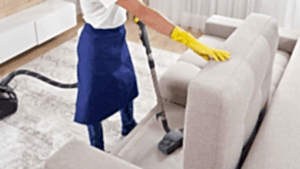
Regular vacuuming keeps crumbs and dirt from accumulating, while checking underneath cushions can catch the mess that’s easy to miss.
If your children regularly eat in the living room, you may need to clean that space more often than a family that keeps meals at the dining table.
How to Keep Kids’ Rooms Clean
Children’s bedrooms can become difficult to manage when there are more belongings than available storage.
A simple routine can keep clothes, toys, and books from taking over the room.
Make the Bed and Clear the Floor
Making the bed gives the room a cleaner appearance with very little effort.
Keeping the floor clear also matters because clutter makes it harder to vacuum and gives dust and dirt more places to collect.
Keep Dirty Clothes Off the Floor
Put the laundry hamper somewhere your child can easily reach it.
If the hamper is hidden in a closet or difficult to use, clothes are more likely to end up on the floor. The same applies to clean clothes. Give them a clear place to go after laundry is finished.
Use Bins for Toys
Bins work well because children can put toys away without organizing every item perfectly.
If a bin is constantly overflowing, however, the problem may be the amount of stuff rather than the storage. That’s when it’s worth going through the toys.
Declutter Toys Regularly
Children outgrow toys and lose interest in them. New toys also tend to come into the house throughout the year.
Going through them every few months can free up space and make daily cleanup easier. Items in good condition can be donated or passed along instead of sitting unused in the room.
How to Keep a House Clean With a Busy Family
A family doesn’t always have a free Saturday afternoon to spend cleaning. Between work, school, sports, appointments, and other plans, the week can fill up quickly.
The best cleaning routine is one that still works when the week gets busy.
Use Short Cleaning Sessions
You don’t need to finish an entire room every time you clean.
A short window can be enough to handle one job. You might clean a bathroom, vacuum the main living area, or deal with the kitchen while dinner is cooking.
Breaking chores into smaller sessions can make them easier to fit into a busy week.
Focus on High-Traffic Areas First
When time is limited, clean the rooms that affect your family’s daily life.
The kitchen, living room, entryway, and main bathroom will usually matter more than a guest room that hasn’t been used.
This also gives you a natural stopping point. If you only have 30 minutes, you can spend those 30 minutes where they’ll make the biggest difference.
Divide Chores Between Family Members
Cleaning doesn’t have to be one person’s responsibility.
Parents can divide household jobs, while children handle age-appropriate chores. One person might handle bathrooms while another handles floors. Children can be responsible for their rooms, toys, or laundry.
A simple family cleaning schedule helps everyone know what’s expected without asking each person every day.
Don’t Wait for the House to Get Really Dirty
The longer you leave every cleaning job, the more time you’ll eventually need to catch up.
That doesn’t mean cleaning all day. It means tackling things that tend to snowball, like dishes, laundry, food messes, and clutter.
What Areas Do Families Forget to Clean?
Some areas aren’t difficult to clean. They’re simply easy to overlook because they aren’t part of the normal routine.
Add these spots to your monthly or occasional cleaning list.
Baseboards and Door Frames
Baseboards collect dust and dirt along the bottom edge of the wall. Door frames can also pick up fingerprints, especially in homes with younger children.
They don’t need daily attention, but occasional wiping keeps the buildup from becoming noticeable.
Under Beds and Furniture
Dust, crumbs, toys, and lost belongings can collect under furniture.
Move smaller pieces when possible and vacuum underneath them. Move larger furniture during a deeper cleaning when it’s practical.
Light Switches and Door Handles
Children touch these surfaces many times throughout the day.
Check them during regular cleaning and wipe away fingerprints or sticky spots when needed.
Couch Cushions and Upholstery
Food crumbs, toys, and dust can disappear between couch cushions.
Remove the cushions and clean underneath them periodically. If children eat on the couch, check the upholstery for spills at the same time.
Toys and Play Areas
Toys are handled constantly but aren’t always included in the cleaning routine.
Clean frequently used toys according to their care instructions, and don’t forget play tables, mats, and other surfaces where children spend time.
Vents and Ceiling Fans
Dust can collect on vents and ceiling fan blades without being obvious from across the room.
You can handle these areas during monthly or seasonal cleaning rather than adding them to your weekly list.
How Often Should You Deep Clean With Kids?
No single schedule works for every family. The number and age of your children, pets, home size, and how much time you spend at home can all affect how quickly dirt and clutter build up.
For many families, a deeper cleaning every few months is a reasonable starting point. Some homes may need it more often, especially with young children, pets, allergies, or heavy daily activity.
You can also use certain events as a reminder. Before guests arrive, after the holidays, following a party, or after a particularly hectic period can all be good times for a deeper cleaning.
Instead of following a strict calendar, pay attention to the parts of your home that regular cleaning isn’t keeping up with.
When Should You Hire a House Cleaning Service?
Sometimes the problem isn’t knowing how to clean. It’s simply not having enough time to do it.
A house cleaning service can help when your regular routine keeps getting pushed aside, you’re trying to catch up after a busy period, or your home needs a deeper cleaning than you can fit into your schedule.
Professional cleaning can also be useful before or after an event, when preparing for guests, or when you want to get your home back on track before starting a regular routine.
For busy families, recurring cleaning can take larger household chores off the weekly list and leave more time for everything else.
Keep Your Family’s Home Clean With Cleanadora
A house with kids will get messy. That’s part of having a family. The goal isn’t to keep every room perfect. It’s to have a routine that makes the everyday mess manageable.
Give belongings a place, handle the jobs that need attention each day, divide larger chores across the week, and let children help with tasks they can reasonably manage.
When your schedule doesn’t leave enough time for cleaning, Cleanadora can help. Our house cleaning services can handle regular household cleaning, while our deep cleaning service gives extra attention to areas that need a more thorough reset.